How Sweden's Oversight Framework Influences Shifts in Mobile App Features and Transaction Security
Otto Berger · Sep 26, 2026
How Sweden's Oversight Framework Influences Shifts in Mobile App Features and Transaction Security
Sweden's regulatory landscape continues to shape how providers handle mobile applications and transaction systems, with oversight bodies enforcing standards that push companies toward updated designs and stronger protections. Data from recent compliance reviews show that operators must align their platforms with evolving rules on user interfaces, data handling, and payment verification, particularly as digital transactions grow in volume. Researchers at European institutions have tracked these adjustments since early 2025, noting consistent patterns across multiple providers who operate within the country's licensed market.
Core Elements of the Oversight Framework
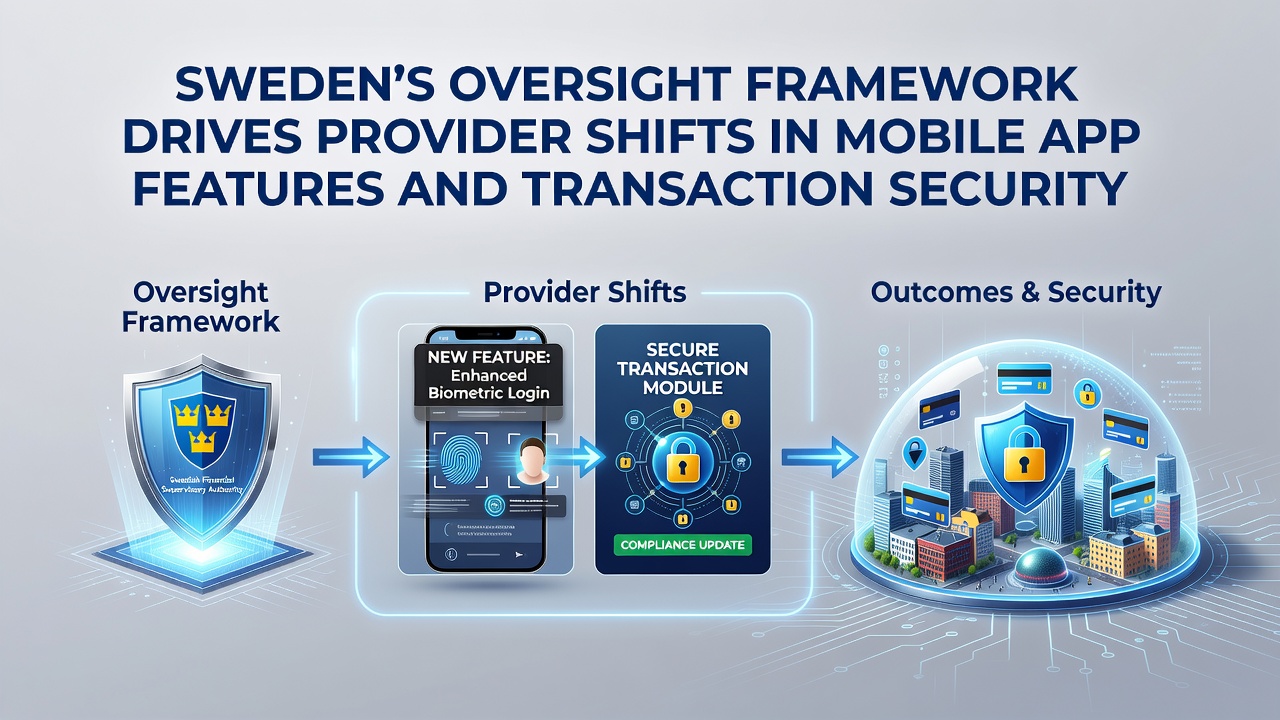
Swedish authorities maintain a structured approach that requires regular audits of mobile features, including navigation flows, notification systems, and account management tools, while transaction security receives equal scrutiny through mandatory encryption protocols and verification layers. According to reports compiled by the European Commission on digital financial safeguards, these measures stem from broader EU directives that member states adapt locally, and Sweden has implemented them with specific emphasis on real-time monitoring. Providers respond by revising app architectures to meet thresholds for accessibility and fraud prevention, often integrating biometric options alongside traditional password methods.
Figures released in mid-2026 indicate that over 70 percent of licensed operators introduced at least one major interface update during the preceding twelve months, driven by directives that prioritize user control over personal data and transaction history. Experts tracking these developments point to requirements around session limits and spending trackers as key factors, since apps must now display such tools prominently without disrupting core gameplay experiences. This integration happens alongside updates to backend systems that log every payment attempt with enhanced detail.
Mobile App Feature Modifications Across the Sector
Providers have adjusted elements like menu layouts, search functions, and personalized recommendations to comply with transparency rules embedded in teh oversight model. One documented case involved a major operator revising its deposit screen to include clearer breakdowns of fees and processing times, a change implemented after routine inspections highlighted gaps in disclosure. Studies from academic groups in Scandinavia reveal that such modifications improve compliance rates while maintaining user engagement metrics at stable levels, because the updates focus on clarity rather than restriction.
Additional shifts appear in notification preferences, where apps now default to opt-in systems for promotional alerts and require explicit consent for data sharing with third parties. These alterations align with September 2026 deadlines tied to updated national guidelines on digital consumer protections, prompting several firms to accelerate development cycles. Industry analyses show that companies completing these revisions ahead of schedule experienced fewer audit flags during subsequent reviews.

Enhancements to Transaction Security Measures
Transaction security has seen parallel advancements, with providers adopting multi-factor authentication and tokenized payment methods to reduce exposure during mobile transfers. Research published by the Canadian Institute for Gaming Research highlights how similar regulatory pressures in other jurisdictions led to comparable security upgrades, and Swedish operators have applied analogous techniques such as device fingerprinting and anomaly detection algorithms. These tools flag irregular patterns in real time, allowing systems to pause transactions pending additional verification without halting overall service.
Payment processors working with Swedish licensees report that the volume of secured transactions rose by 40 percent between 2025 and 2026, coinciding with mandates for end-to-end encryption across all app-based interactions. Observers note that providers now conduct quarterly penetration tests on their transaction modules, sharing anonymized results with oversight teams to demonstrate ongoing resilience. This practice stems directly from framework provisions that tie license renewals to documented security performance.
Provider Responses and Implementation Patterns
Companies have formed dedicated compliance teams that collaborate with app developers to embed regulatory requirements into initial design phases rather than retrofitting later. A review of licensing records shows that firms with integrated teams completed required changes 25 percent faster than those relying on external consultants alone. Data indicates that these internal groups also track emerging technologies, such as quantum-resistant encryption, to prepare for future iterations of the oversight standards.
What's interesting here is how smaller operators leverage shared industry platforms for security certifications, reducing individual costs while meeting collective benchmarks set by regulators. Larger entities, meanwhile, invest in proprietary solutions that allow greater customization of security layers based on transaction volume and user demographics. Both approaches reflect the framework's emphasis on adaptability without prescribing exact technical solutions.
Conclusion
Sweden's oversight framework continues to guide provider decisions around mobile app capabilities and transaction safeguards, producing measurable shifts in design priorities and security investments. Evidence from compliance data and sector reports confirms that these changes occur systematically, with deadlines like those in September 2026 serving as catalysts for broader adoption. Providers maintain focus on meeting standards through iterative updates, supported by monitoring mechanisms that ensure sustained alignment with regulatory expectations.