Sweden's Regulatory Reforms Prompt Shifts in Mobile Payment Processing for Live Dealer Sessions
Kai Neumann · Aug 29, 2026
Sweden's Regulatory Reforms Prompt Shifts in Mobile Payment Processing for Live Dealer Sessions
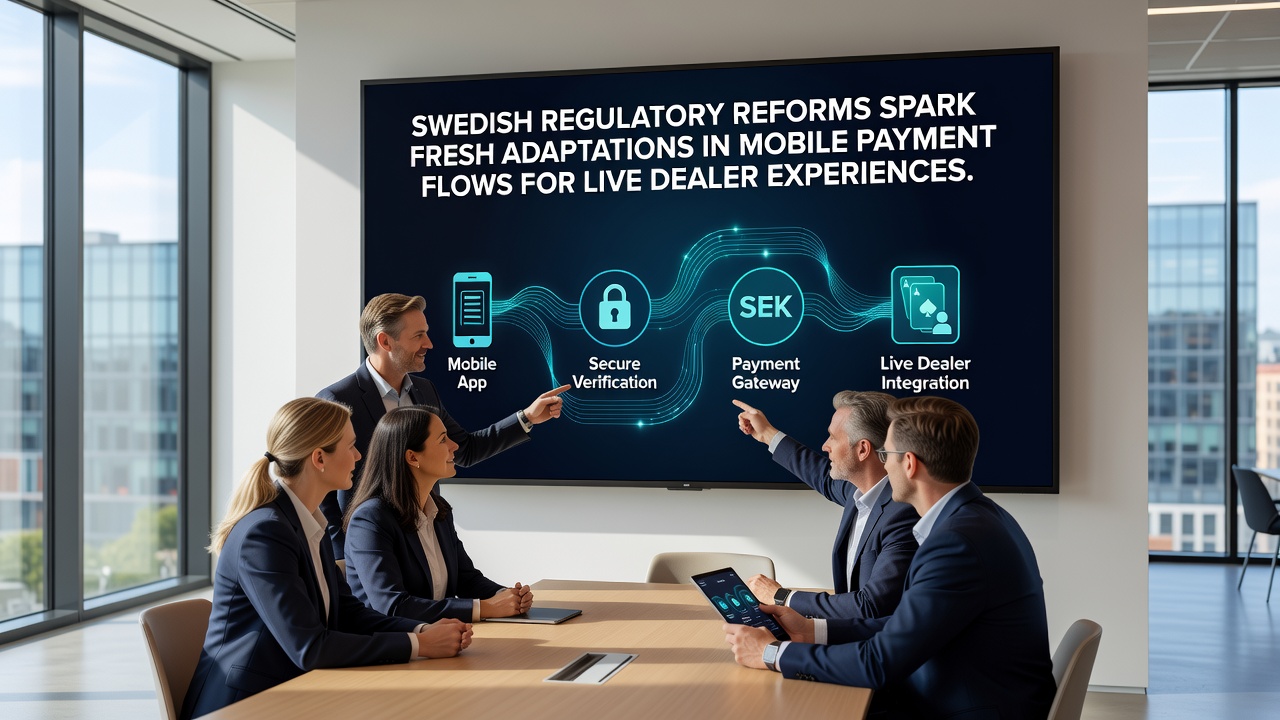
Swedish authorities introduced updated licensing conditions in early 2026 that require stricter verification protocols during mobile transactions on live dealer platforms, and operators responded by redesigning payment sequences to integrate real-time identity checks through BankID while maintaining seamless gameplay flows. These measures took effect progressively through the spring and reached full implementation across major sites by August 2026, when several providers rolled out revised interfaces that route deposits through layered authentication steps before funds reach dealer tables.
Background on Recent Licensing Adjustments
Data from the Swedish Gambling Authority shows that transaction volumes for live dealer games rose steadily between 2024 and 2025, prompting regulators to examine how instant payment methods interact with responsible gaming tools, and the resulting guidelines emphasize automated spending caps that activate across mobile sessions. Operators adjusted their systems accordingly, embedding notification triggers that pause play when users approach preset limits, and these changes align with broader European efforts to standardize digital payment safeguards without restricting access.
Impact on Mobile Transaction Sequences
Payment flows now incorporate additional confirmation layers that verify source of funds before live dealer sessions begin, and industry reports indicate that processing times increased by an average of 12 seconds per deposit during the initial rollout phase. Yet many platforms offset this delay through predictive loading of game lobbies, so players encounter minimal interruption once verification completes. Figures released by the European Gaming and Betting Association reveal that 78 percent of Swedish-licensed operators adopted enhanced mobile wallet integrations by mid-2026, allowing direct transfers from banking apps without leaving the gaming environment.
Operator Adaptations and Technical Modifications
One major provider restructured its mobile interface to combine deposit and game entry into a single encrypted pathway, while another collaborated with payment processors to enable recurring limit reminders that appear directly in the live dealer view. These modifications followed testing periods where user feedback guided the placement of alerts, and the final designs prioritize clarity so participants retain full control over session parameters. Observers note that such adaptations reduce friction associated with regulatory compliance, because the underlying architecture handles verification automatically rather than requiring separate navigation steps.
Examples from Industry Implementation
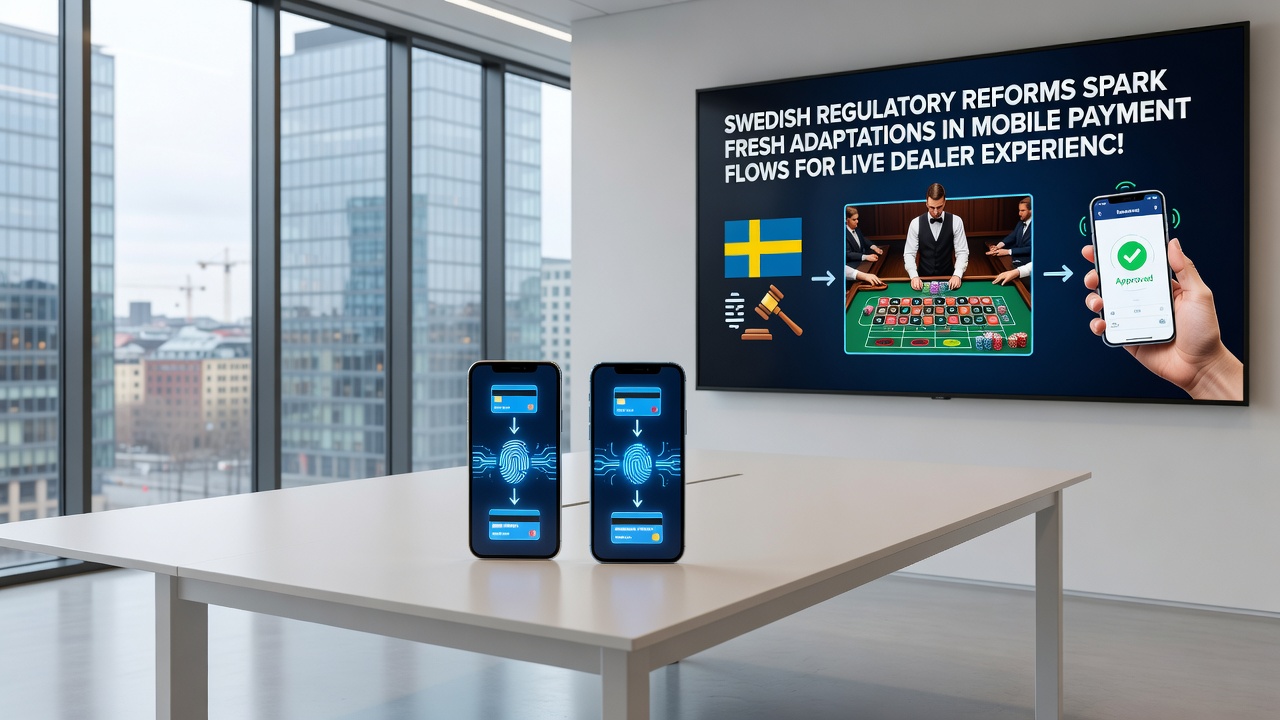
Take one operator that introduced a dashboard displaying real-time transaction history alongside live tables; this feature emerged directly from new requirements for transparent record-keeping and helped users track activity without exiting the session. Another case involved integration with third-party services that flag unusual patterns across multiple devices, and the system automatically prompts additional confirmation when risk indicators appear. Research compiled by the Nordic Council of Ministers highlights that similar verification enhancements across the region correlate with lower dispute rates, because clear audit trails support faster resolution when questions arise.
Broader Context and Related Developments
While Sweden refined its domestic rules, parallel discussions occurred in other jurisdictions such as the Netherlands and Belgium, where regulators examined mobile payment interoperability for cross-border live dealer services. Data compiled by the OECD on digital gambling trends shows increasing convergence toward standardized authentication methods that balance security with user convenience. Swedish operators monitored these developments closely, and several incorporated modular code structures that allow future adjustments if neighboring markets adopt comparable standards.
Conclusion
Swedish regulatory reforms have driven measurable changes in how mobile payments connect to live dealer environments, with operators implementing verification enhancements and interface refinements that became operational by August 2026. Evidence from licensing records and industry associations indicates that these adaptations maintain compliance while preserving fluid user experiences, and ongoing monitoring will determine whether further adjustments arise as transaction patterns evolve. The process illustrates how targeted policy updates translate into technical modifications that affect daily operations across the sector.